
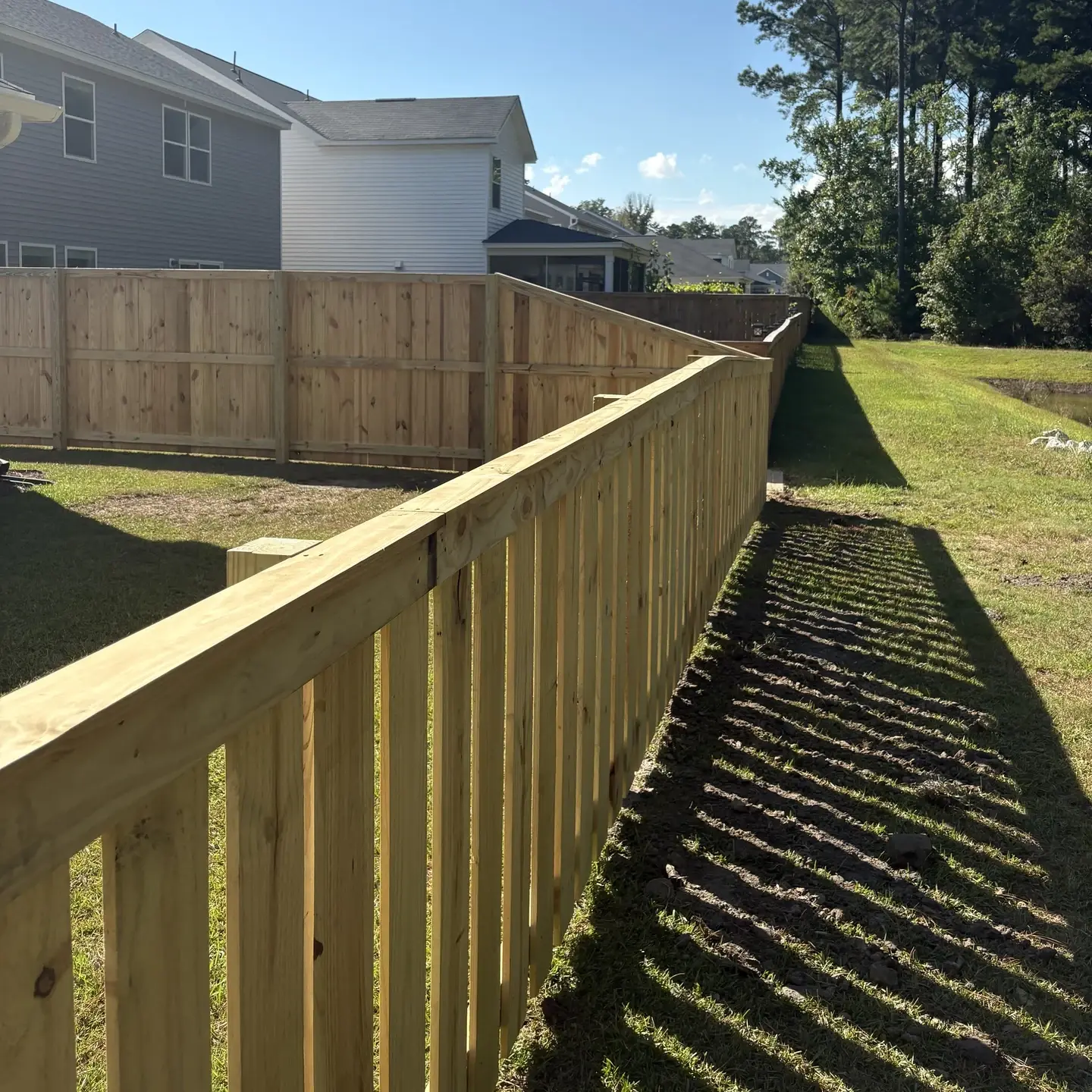
A picket fence fits naturally into Summerville’s Lowcountry character, adding curb appeal, defining property lines, and giving families a visible boundary that keeps kids and pets where they belong. Whether you live in a master-planned neighborhood with HOA design rules or a more established part of Flowertown, a well-built picket fence blends classic style with everyday function. Here is how the process works from the first call to the finished fence line.
Start with a Site Assessment and Property Survey
Every picket fence project in Summerville begins with a site assessment. A professional installer will walk your property to evaluate the terrain, identify utility lines, check drainage patterns, and review any grading that could affect post depth or fence alignment. Lowcountry soil tends to hold moisture, and that matters when choosing post materials and setting proper footings.
If you live in an HOA community, this is also the right time to review your neighborhood’s design guidelines. Many Summerville communities have specific requirements for fence styles, heights, setback distances, and approved materials. A knowledgeable installer can help review those requirements during the assessment process, ensuring your picket fence design aligns with HOA standards before installation begins.
Choose the Right Material for the Coast
Summerville sits close enough to the coast that humidity, salt air, and seasonal storms all play a role in how long a fence lasts. Wood remains the most popular material for a picket fence in the Lowcountry, and pressure-treated options from brands like Yellawood and Maner stand up well to moisture when properly sealed. Vinyl is another strong choice for homeowners who want a low-maintenance alternative that resists rot, warping, and insect damage without regular staining.
Composite and ornamental aluminum also work for certain picket fence designs, depending on the look you want and your HOA requirements. Your installer should help you weigh each material against the local climate and your long-term maintenance preferences so you make the decision that fits your property and your budget.
Handle Permits and HOA Approval
Permit acquisition is a step that homeowners often underestimate. In Summerville and throughout Dorchester County and Charleston County, fencing projects typically require a permit before any posts go into the ground. A reliable fence company handles that paperwork directly, pulling the permit on your behalf and making sure the project meets local code for height, placement, and setback.
For homeowners in master-planned communities, HOA approval adds a separate layer. Your installer should submit the design, material selection, and property layout to the HOA for review before starting work. Handling both the permit and the HOA approval up front prevents costly delays and keeps your picket fence project moving on schedule.
Prepare the Site and Set the Posts
Once permits are approved, site preparation begins. The crew clears the fence line of brush, debris, and any obstacles, and marks the exact layout with stakes and string. Accurate layout work at this stage prevents alignment problems later.
Post installation is the foundation of every picket fence, and it demands attention to the Lowcountry’s soil conditions. Crews excavate post holes to the proper depth, accounting for the moisture-retentive clay common across the Summerville area, and set posts with concrete footings that resist shifting and settling over time. Proper footings protect your investment against the ground movement that coastal soil often causes.
Install Panels, Pickets, and Hardware
With the posts set and the concrete fully cured, the crew installs the rails and pickets that define the fence’s final appearance. Whether you choose a traditional pointed picket fence or a flat-top design with dog-ear pickets, each section should remain level and properly aligned while following the contours of your yard. Careful installation helps prevent uneven gaps at the bottom that could allow small pets to escape.
Gate installation typically takes place during this phase as well. Carolina Fence Company installs swing gates and pedestrian gates that match the style and materials of the surrounding picket fence, creating a cohesive appearance from the street.
Finish and Protect the Fence
For wood picket fence installations, finishing is not optional in the Lowcountry. Staining, painting, or sealing the wood shortly after installation protects it against humidity, UV exposure, and the mildew growth that thrives in South Carolina’s warm, damp climate. A quality sealant extends the life of your fence significantly and keeps it looking sharp season after season.
Vinyl and composite picket fences require less upkeep, but a final walk-through with your installer after completion helps confirm that every section is properly aligned, gates swing and latch correctly, and the finished fence matches what was approved by your HOA.
Why Summerville Homeowners Trust Carolina Fence Company
Carolina Fence Company has spent 21 years building fences across the Charleston and Summerville area, completing more than 3,000 projects with over 100 years of combined crew experience. As a family-owned and women-owned business with an A-plus BBB rating and American Fence Association membership, the company brings the local knowledge and craftsmanship that a picket fence project in Summerville demands. From the initial consultation through permitting, installation, and finishing, the team handles every step so homeowners can focus on enjoying the result.
If you are ready to add a picket fence to your Summerville property, contact Carolina Fence Company at (843) 821-0486 to schedule your consultation and on-site assessment.