
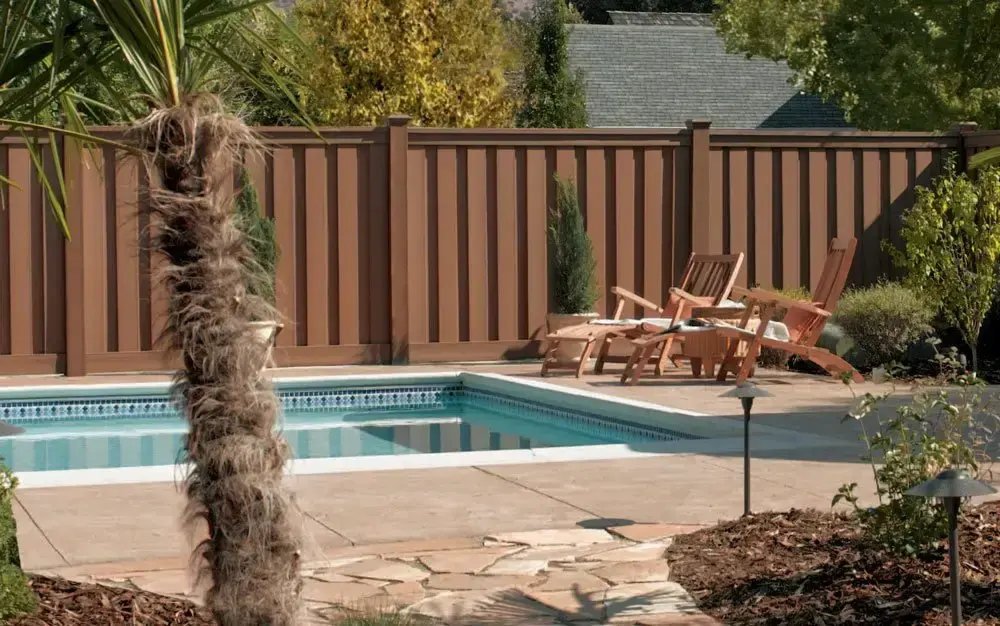
If you have a pool or plan to install one, a pool fence is not optional. South Carolina law requires a barrier around residential swimming pools to prevent unsupervised access, especially by young children. But beyond meeting the legal requirement, the right fence keeps your family, your neighbors, and visiting children safe every day.
Choosing pool fencing involves more than picking a material and calling it done. Height, gate type, spacing, visibility, and durability all play a role. Here is what Summerville homeowners should consider before making a decision.
Understand the Code Requirements First
Before you select a pool fencing style or material, you need to know what South Carolina building codes require. Pool fences must meet specific height minimums, and gates must be self-closing and self-latching. The latch needs to be positioned where small children cannot reach it.
Openings in the fence must be small enough to prevent a child from squeezing through. The fence must fully enclose the pool area without gaps or climbable features on the exterior side.
Working with a fence company that handles permit acquisition and understands local code requirements ensures your pool fence passes inspection the first time.
Pick a Material That Handles Summerville’s Climate
Summerville’s hot, humid summers and frequent rain put outdoor materials to the test. The material you choose for your pool fencing needs to handle moisture, UV exposure, and the occasional storm without breaking down.
Aluminum
Aluminum is one of the most popular choices for a pool fence. It resists rust, handles humidity well, and requires almost no maintenance. Ornamental aluminum provides a clean, open look that lets you see the pool from outside the fence, which is important for supervising swimmers. It meets code requirements easily and lasts for decades in coastal and Lowcountry conditions.
Vinyl
Vinyl fence panels resist moisture, rot, and insects. They do not need painting or staining and hold their color over time. Vinyl works well as a pool fence for homeowners who want a solid, privacy-style barrier around the pool area. The trade-off is that vinyl panels block your view, which can make it harder to monitor the pool from the yard or house.
Iron and Ornamental Iron
Iron fences offer a traditional, elegant look that works especially well on historic or upscale Summerville properties. A pool fence in ornamental iron provides visibility and strength while adding curb appeal. Iron requires some maintenance to prevent rust, particularly in Summerville’s humid environment, but properly finished iron holds up well over time.
Chain Link
Chain link is the most budget-friendly option for a pool fence. It meets code requirements, provides visibility, and installs quickly. While it lacks the visual appeal of aluminum or iron, a vinyl-coated chain link fence adds color and a cleaner look at a modest additional cost.
Wood
Wood pool fence panels are less common because of the maintenance they require in pool-adjacent environments. Constant exposure to splashing water, pool chemicals, and humidity accelerates wear. However, a wood fence can work when properly sealed and maintained, especially as part of a larger privacy fence design around the pool area.
Choose the Right Gate for Your Pool Fence
The gate is the most important safety feature of any pool fence. South Carolina code requires pool fence gates to swing outward, away from the pool. They must close and latch automatically without any manual intervention.
Self-closing hinges and self-latching mechanisms are required on every pool fence gate. The latch height must be positioned high enough that young children cannot reach it from the outside. Pedestrian gates are the most common choice for fences around residential pools, though some homeowners add a wider gate for equipment access.
Think About Visibility and Supervision
One of the most overlooked factors in choosing a pool fence is how well you can see through it. A fence that completely blocks the view of the water makes it harder to supervise children and guests from the house or the yard.
Aluminum and iron pool fence styles provide open sightlines while still meeting code requirements. Vinyl and wood provide more privacy but reduce visibility. The right balance depends on your property layout and how you plan to monitor the pool.
Consider the Long-Term Cost
The cheapest pool fence upfront is not always the most affordable over time. Chain link costs the least to install but may need replacement sooner in high-humidity environments. Aluminum costs more initially but requires almost no maintenance for 20 years or more. Wood costs moderately but needs regular staining and sealing.
When you factor in maintenance, repairs, and replacement over a 15 to 20 year period, aluminum and vinyl pool fence options often cost less overall than wood or chain link.
Get Your Pool Fence Installed Right
A pool fence protects lives. The material, the gate, the height, and the installation quality all matter. Carolina Fence Company installs fence systems in aluminum, vinyl, iron, chain link, and wood for homeowners throughout the Tri-County area, with professional site assessment, permit acquisition, and safety-compliant gate installation included. Call +1 843 821 0486 to request a free quote and make sure your pool meets code.